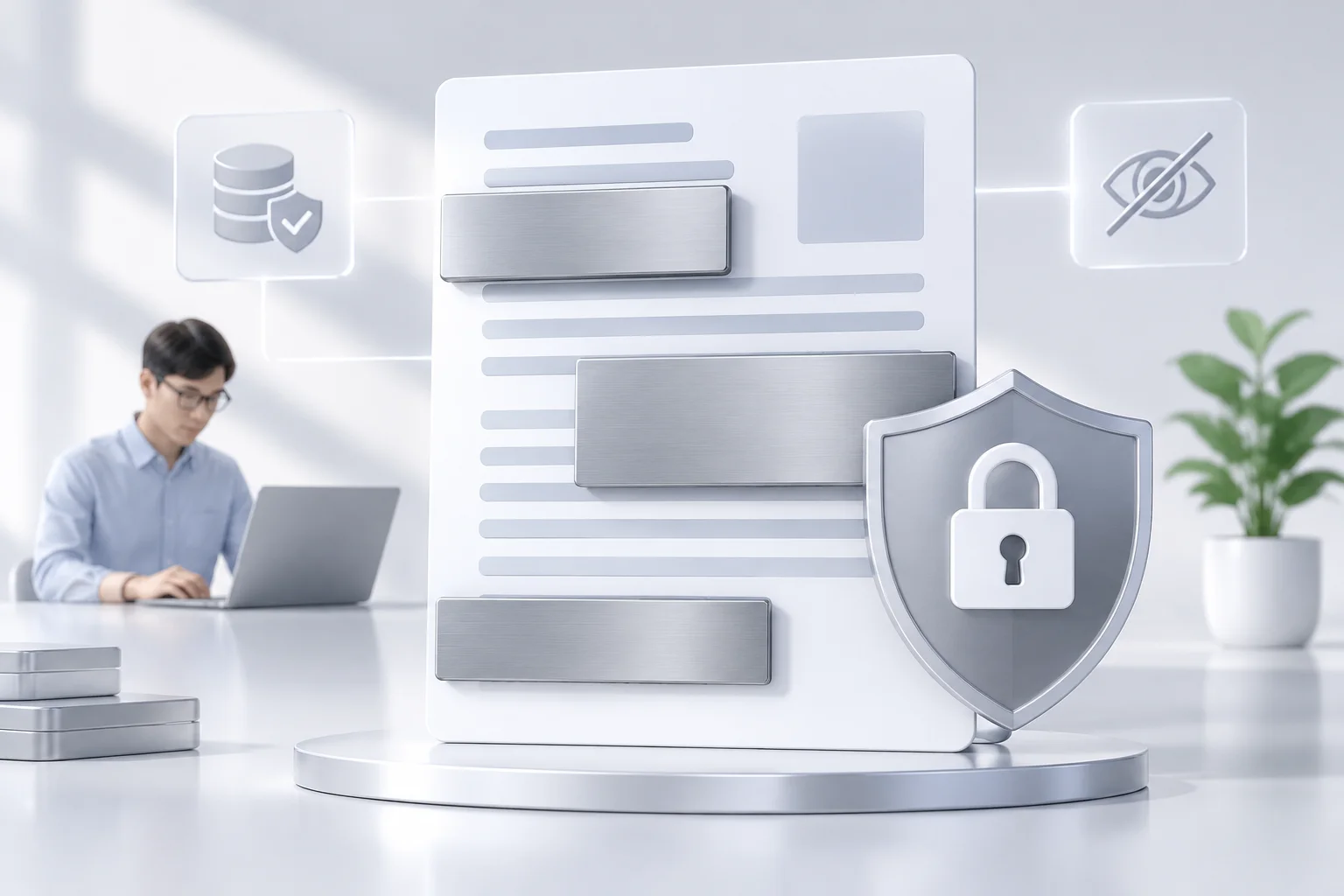
03Navigating the Tension Between Thorough Logging and Privacy
When a technician steps into a remote session, the primary goal is solving an operational blockage. In the urgency of restoring connectivity or clearing configuration errors, the temptation arises to copy diagnostic outputs verbatim. Command lines often capture embedded API keys, database connection strings, or full pathnames containing personal employee identifiers. Once written into an internal ticketing tool or support ledger, this information enters a wider visibility boundary accessible to dozens of tiers, contractors, and third-party integrations.
Preserving audit integrity does not require duplicating the client screen into text. The session ledger should reflect action verbs and state changes rather than raw data payloads. If a registry key or configuration file was updated, logging the specific key path and the authorized modification value satisfies audit criteria completely without needing to paste adjacent company records.
"An effective session note explains exactly what was repaired and verified without preserving the confidential information exposed during the repair."
Safe Substitution Rules for Everyday Support
Technicians should replace sensitive elements with standard operational tokens before saving any ticket summary. Adhering to structured substitution standards eliminates accidental leaks while retaining reproducible technical context for future escalations:
- Replace live passwords and secrets with credential vault identifiers (e.g., Vault Secret #492 applied).
- Mask network IP addresses when documenting public issues, recording only subnet tiers or gateway labels.
- Crop screen snips to show only dialogue boxes and system error codes, omitting open taskbars and browser bookmarks.
- Record customer consent confirmation status rather than storing personal phone numbers or direct chat logs.
Applying these data minimization rules ensures that subsequent audits by privacy teams or security officers pass without costly data remediation workflows. If an incident response team ever reviews session histories, they find actionable forensic trails without discovering inadvertent breach vectors left by well-meaning technicians.